← Back to Resources & Archives
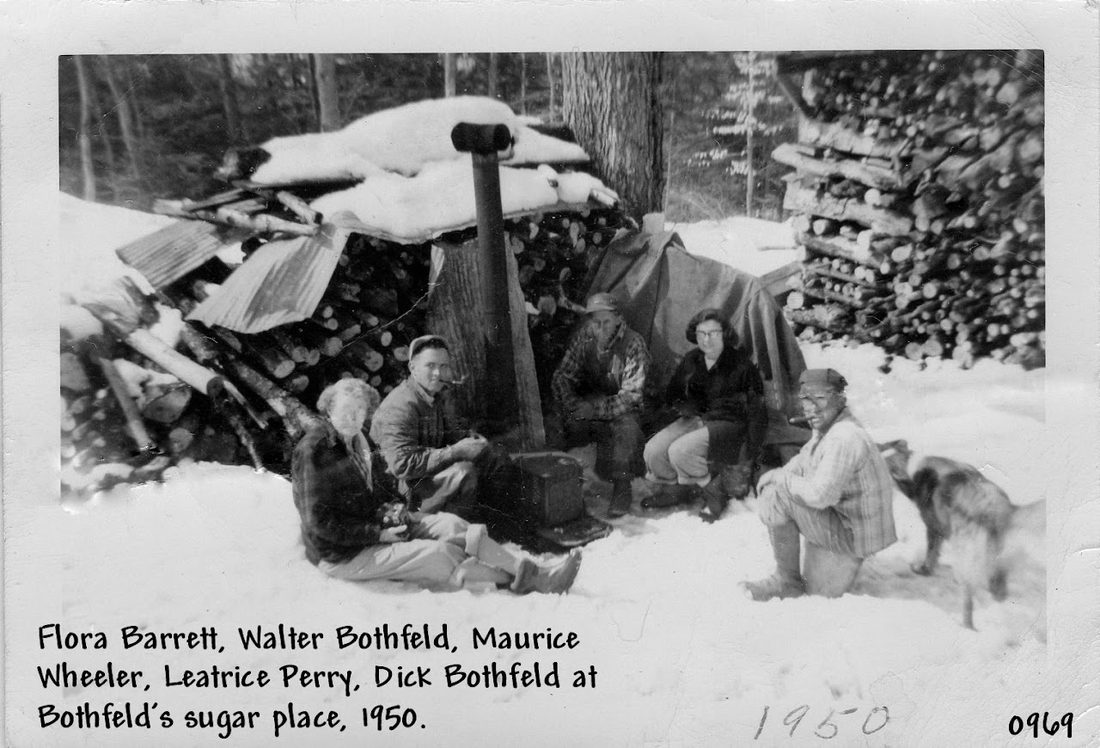
Life in Cabot has always followed the land — the sugar maples on the hillsides, the ponds and rivers that powered its mills, and the long seasonal round of farm work. Nowhere is that rhythm clearer than in the town's oldest and sweetest tradition: making maple sugar.
Ponds, Waters & Scenery
Water shaped Cabot as surely as the maples did. Cabot Plain forms a continental divide. Brooks on the west slope run into the Winooski (once called the Onion) River that has headwaters in the northwestern corner of Cabot; and on the eastern side, water drains into Joe's Pond and the Connecticut River. Little Molly's Pond in East Cabot has brooks running from it in both directions. Molly's Falls Reservoir west of Molly's Pond provides power for generating electricity; to the east, Joe's Pond has a long history that includes logging, mills, and recreation.
On the west side of town, West Hill Pond was once a fertile valley where Native Americans traveling through the area planted crops. The little brook was dammed in about 1820 by Avery Atkins to create a mill pond. This became an important resource for power, ice for Cabot Creamery, and recreation.
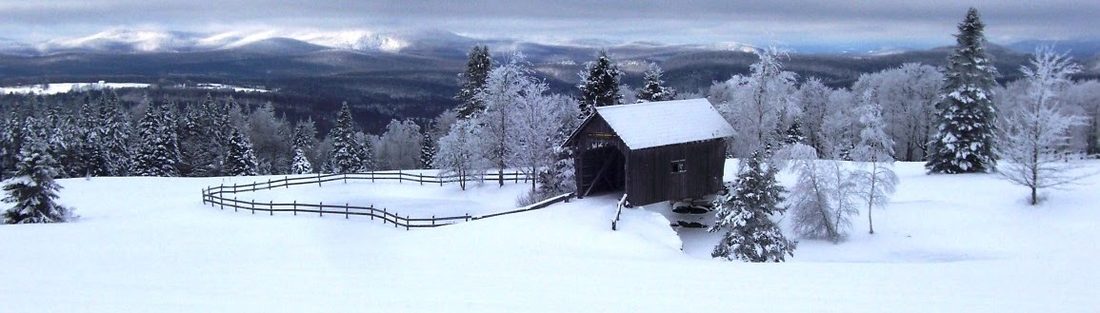
While Cabot Village is in a valley on the Winooski River, the surrounding hillsides of Cabot Plain, Danville Hill, and West Hill have sweeping views from the Green Mountains in the west to the White Mountains in the east. Originally farm land, the picturesque fields and pastures are now mostly forested, privately owned land for year-round and seasonal residences.
The Seasonal Round
Everyday life turned with the seasons and the community's gatherings. The most notable early gatherings began in 1901 with Cabot's Old Home Week celebrations. For twenty years the Cabot Historical Society's Apple Pie Festival crowned the autumn during Fall Foliage Week, a multi-town celebration of fall usually held at the end of September or early October. In later years, Cabot incorporated Old Home Week and its Alumni Association gatherings into its assigned Fall Foliage Day. When attendance fell, both Old Home Week and the Alumni Association gatherings were dropped. After the COVID-19 pandemic, Cabot's “Cheese and Culture” festival combined with Fall Foliage Week.
Today Cabot has biking and hiking trails that serve as snowmobile trails in the winter, and community dances and music festivals scattered through the weeks and months. Impromptu sessions with local musicians at the local hardware store/bar have replaced kitchen junkets, and contra dancing is reminiscent of the old-time square dances that were held at Willey Hall, one-room schools, or any building large enough for live music and dancing. These were the traditions — sugaring, harvest, church suppers, dances, and club bazaars — that bound a scattered hill town together; many of those same traditions remain in Cabot today under the guidance of the Cabot Coalition, kept in touch by our monthly publication, The Cabot Chronicle.
The original source pages
These summaries draw on the Society's earlier archive. Each page below is reproduced in full, with its original photographs, maps, and documents.
The Society holds many more photographs of sugaring, the ponds, and Cabot's scenery, along with records of the Judith Lyford Woman's Club and the town's churches. To browse them or share your own, please contact us.